Written analysis
RTX 5090 at a glance
The RTX 5090 is based on the Blackwell 2.0 architecture and is manufactured using the 5 nm process at TSMC. It ships with 32 GB of GDDR7 on a 512-bit bus , about 1 GB/s. Shader count is 21760 across 170 CU/SM. The board interface is PCIe 5.0 x16.
Reference board power is a very high 575 W with 1x 16-pin. PSU sizing must include the CPU and transient load, while the case needs unrestricted intake and exhaust.
VRAM capacity is high-end at 32 GB. That is the class you want for 4K textures, heavy ray tracing, and creator GPU memory loads.
Best fit: High-refresh 1440p and 4K-oriented systems that can support its power and cooling requirements.
Gaming performance
RTX 5090 is a high-end gaming GPU, at 100.00% of the dataset’s best 1440p raster performance. Pair it with a fast CPU and a high-refresh 1440p or 4K display if you want that headroom.
1440p value is 18.0 performance per dollar. You are paying for peak raster performance, not efficiency.
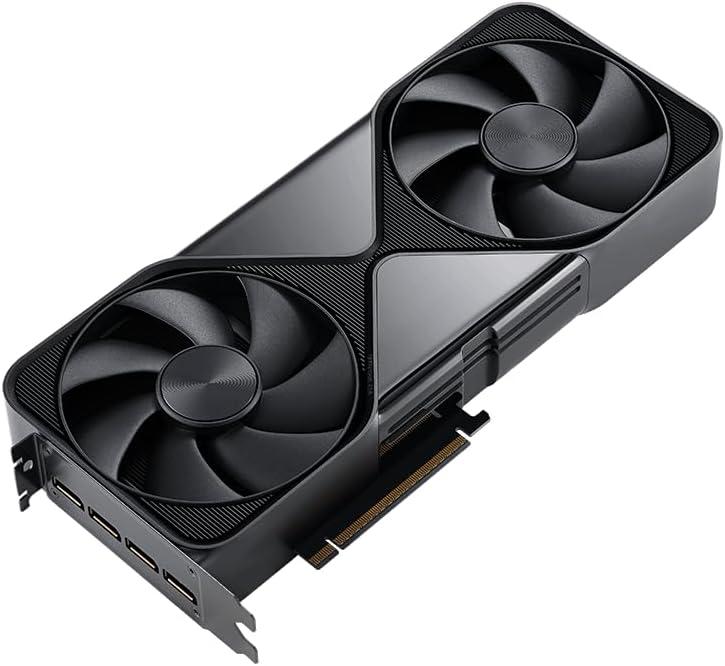
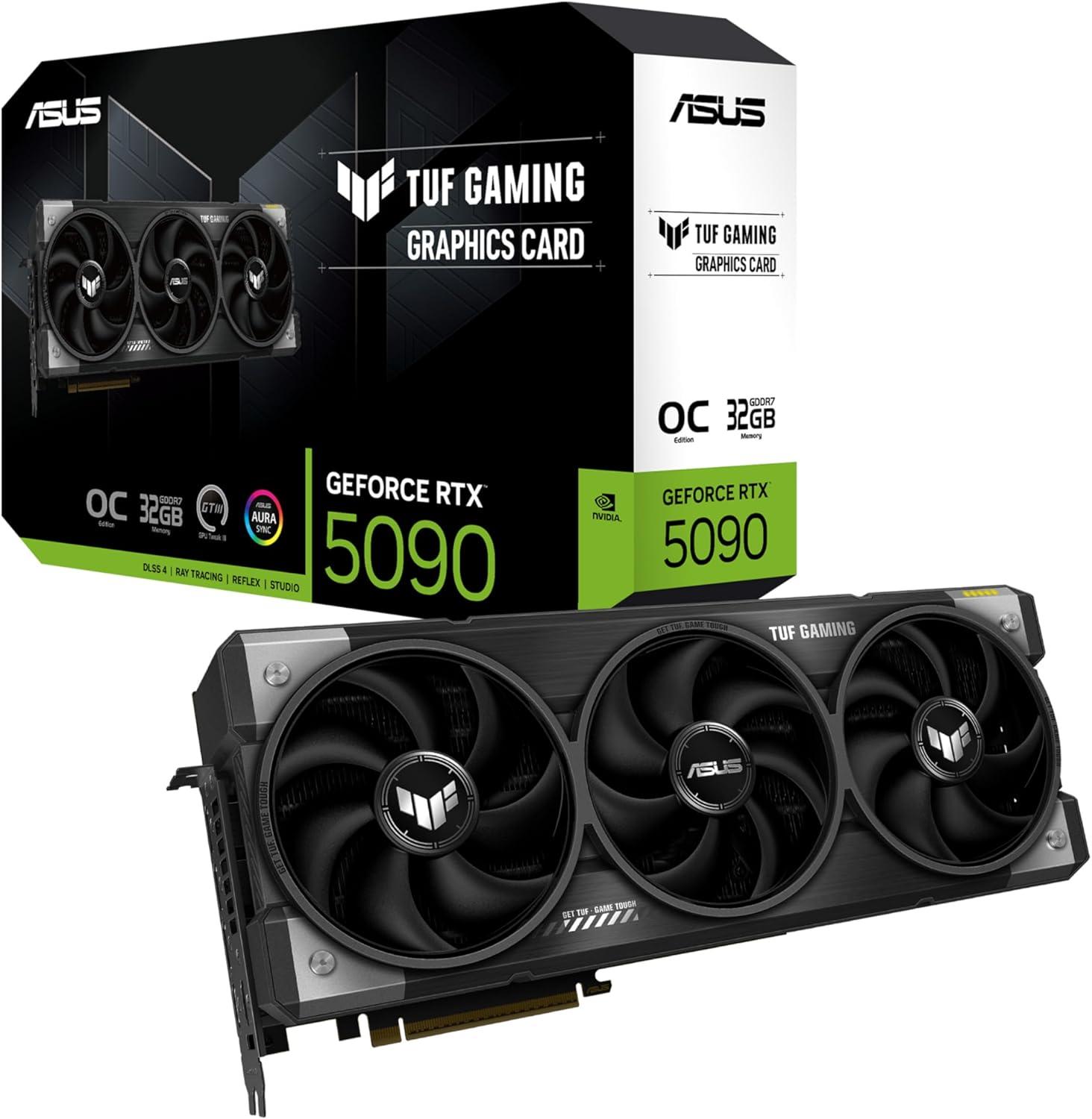
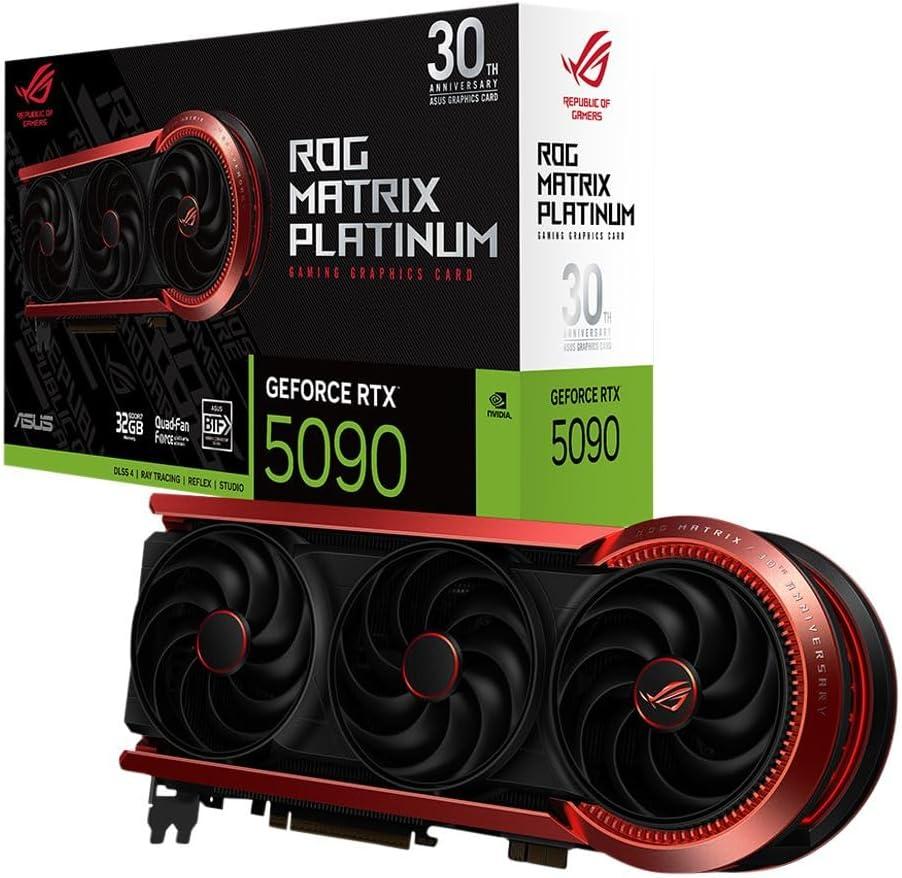
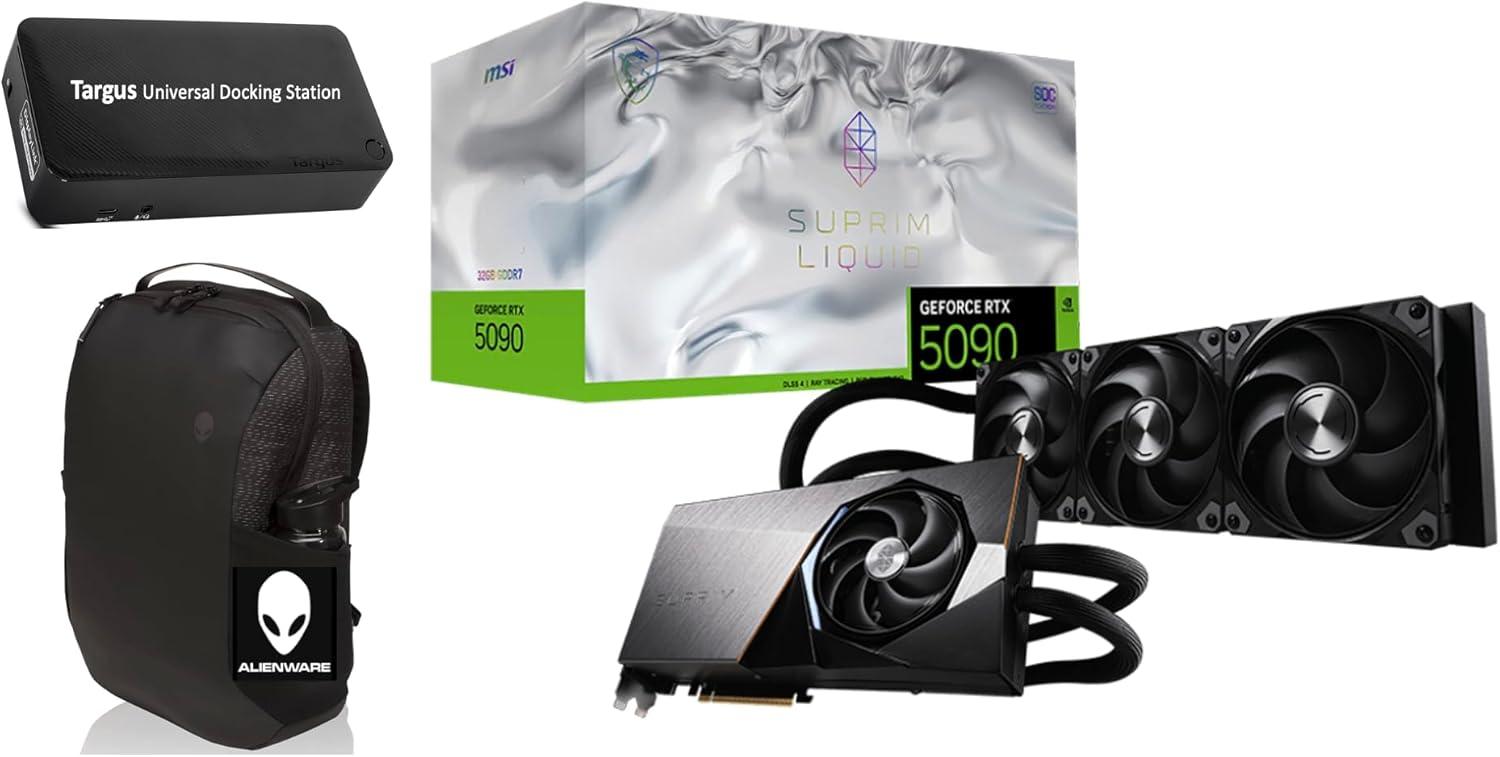
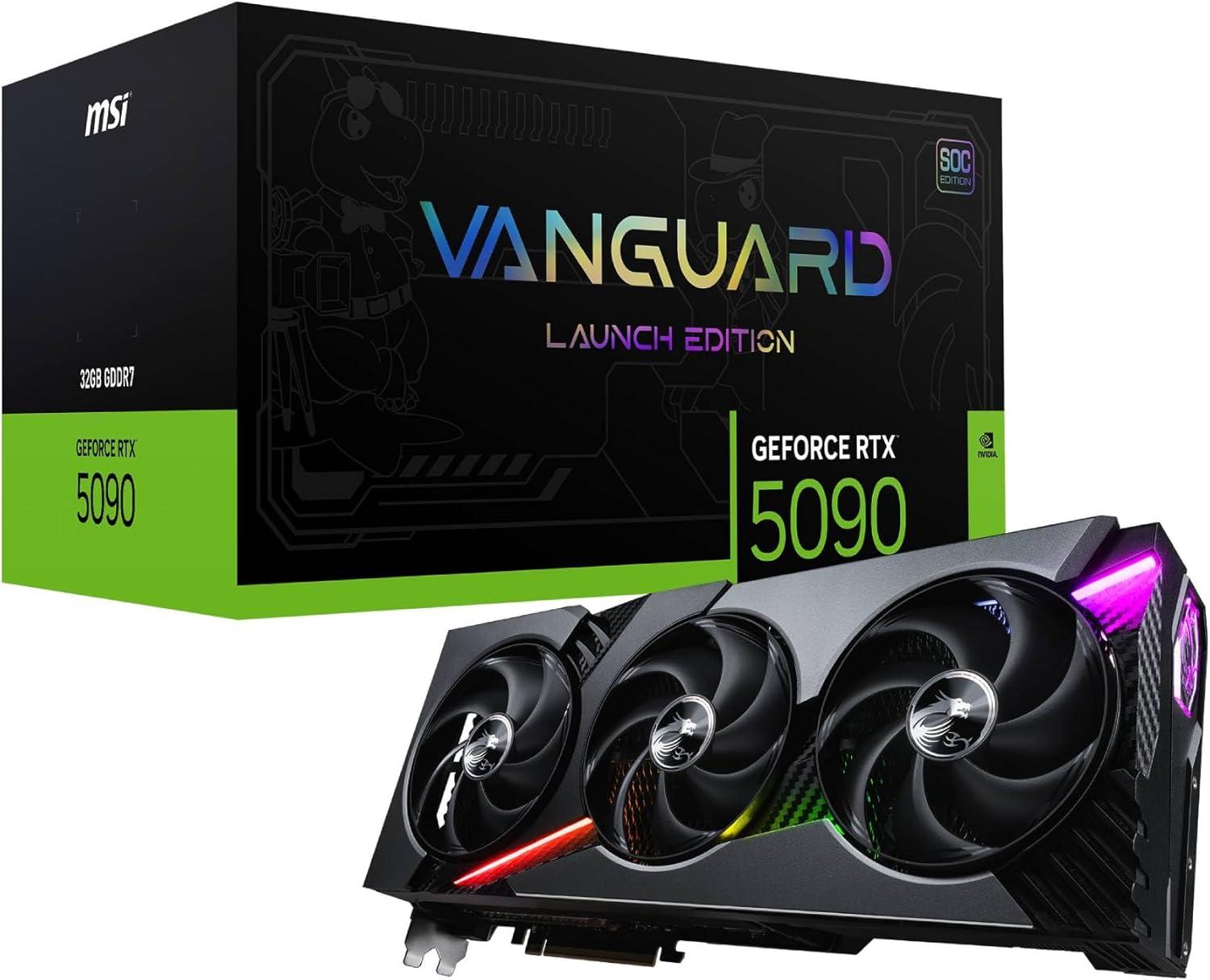
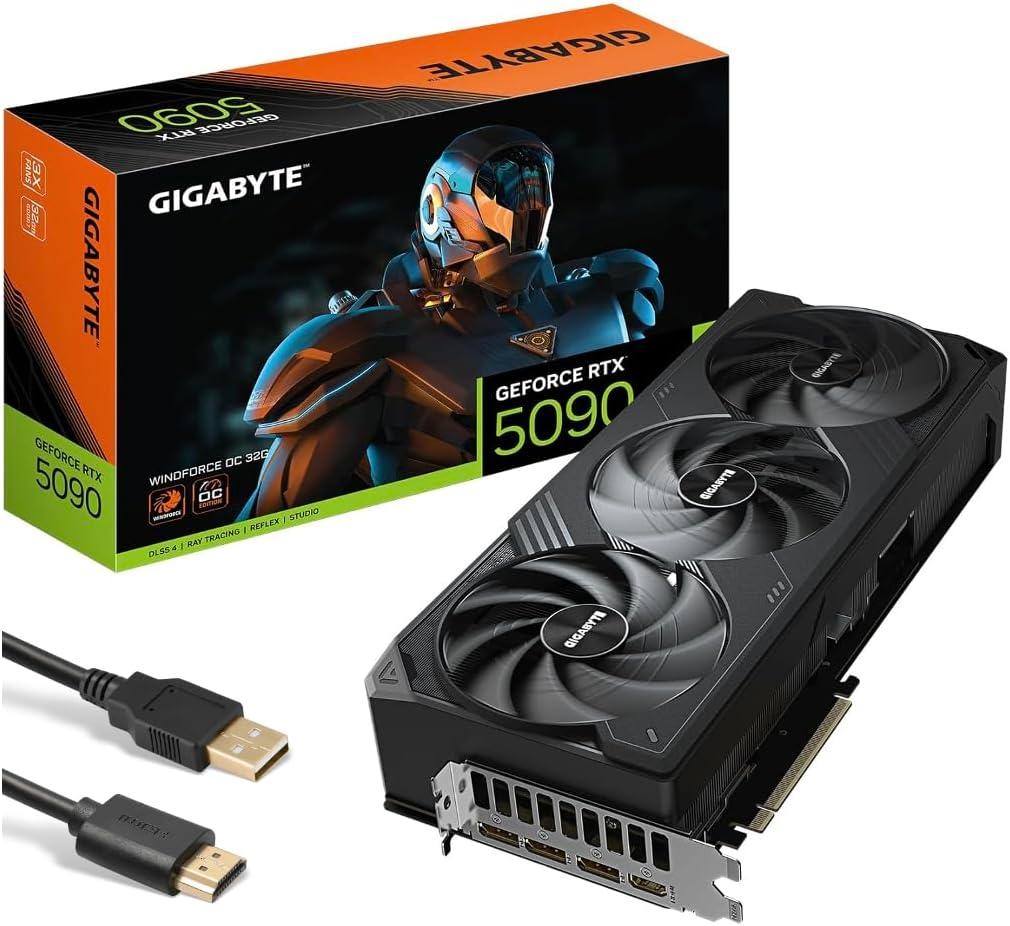
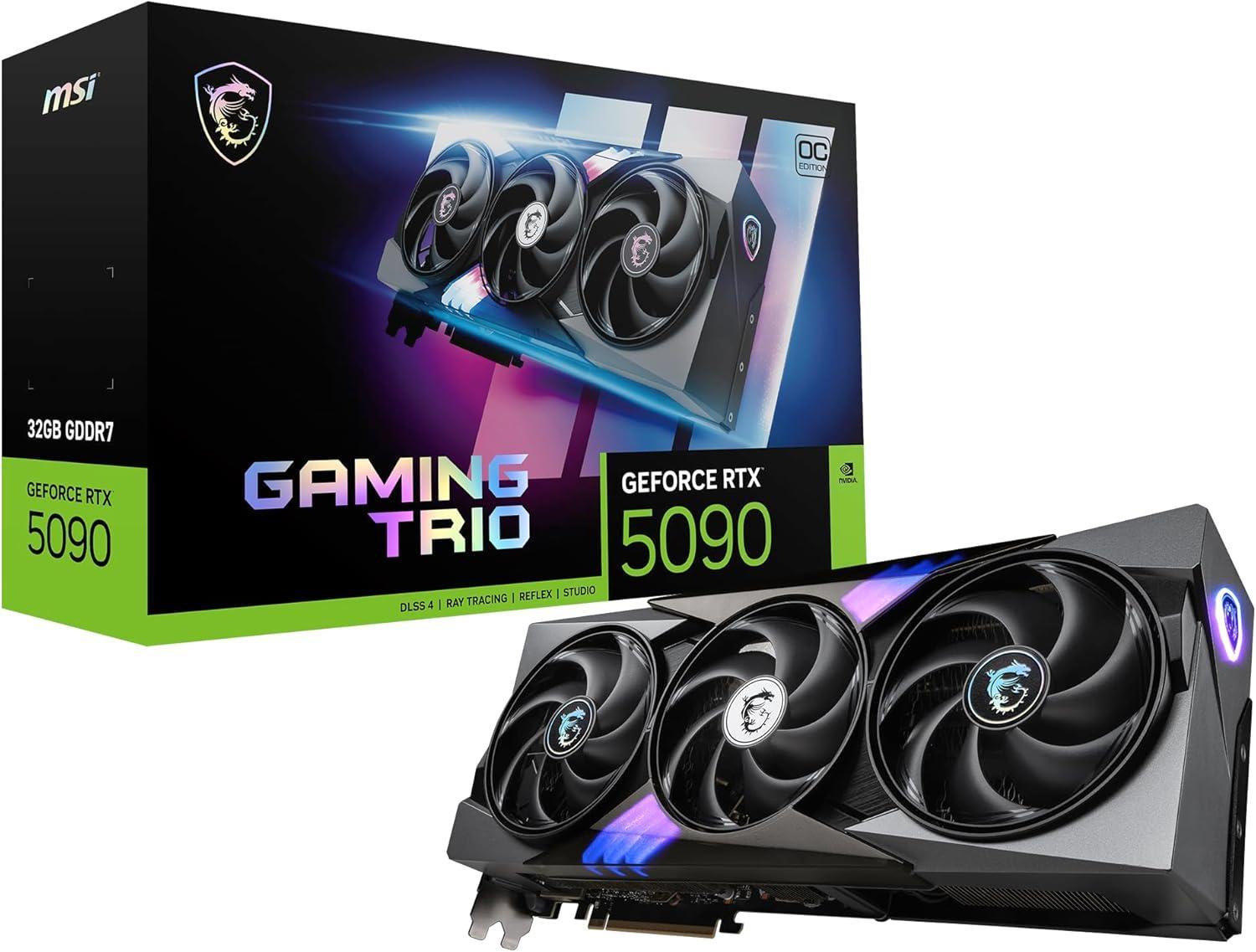
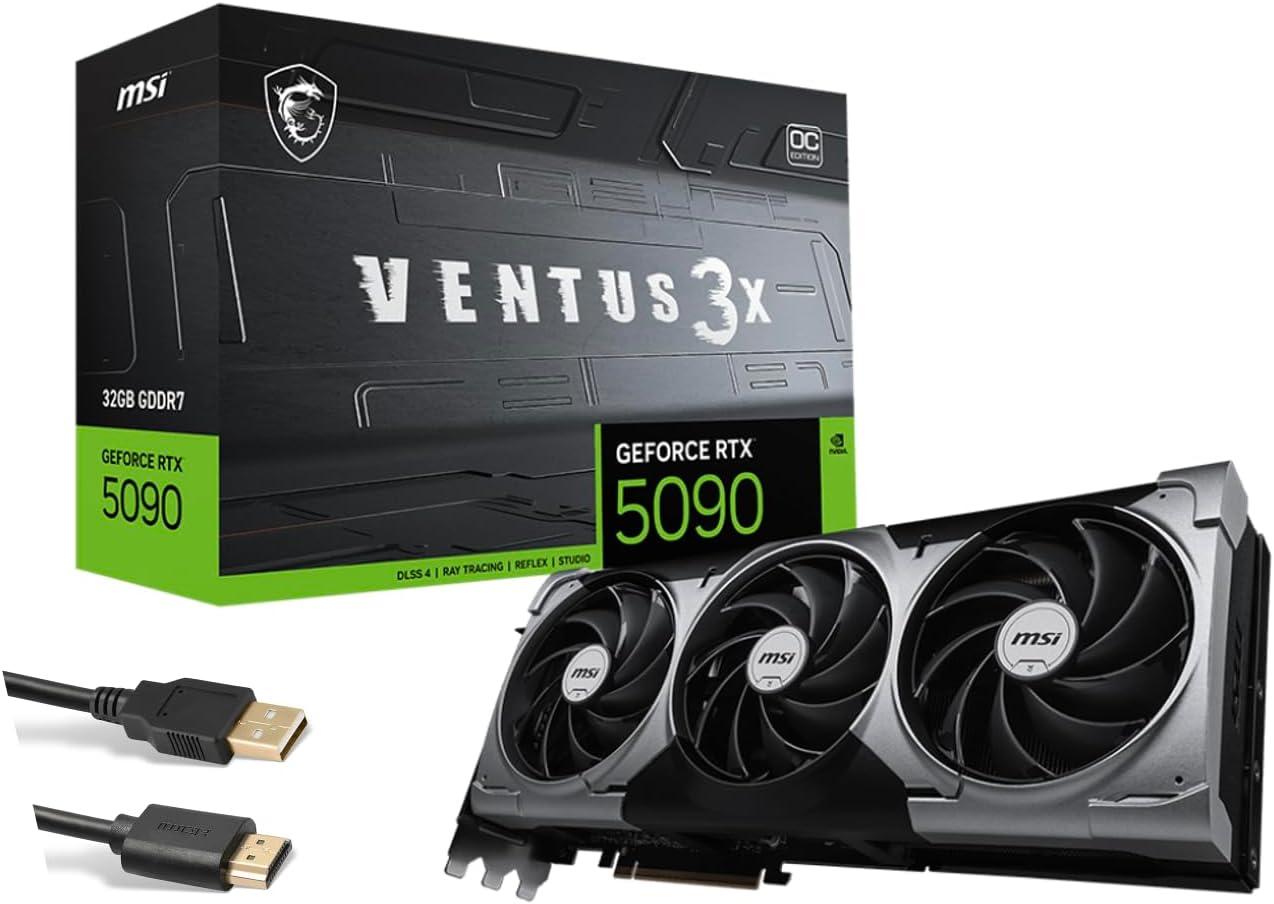
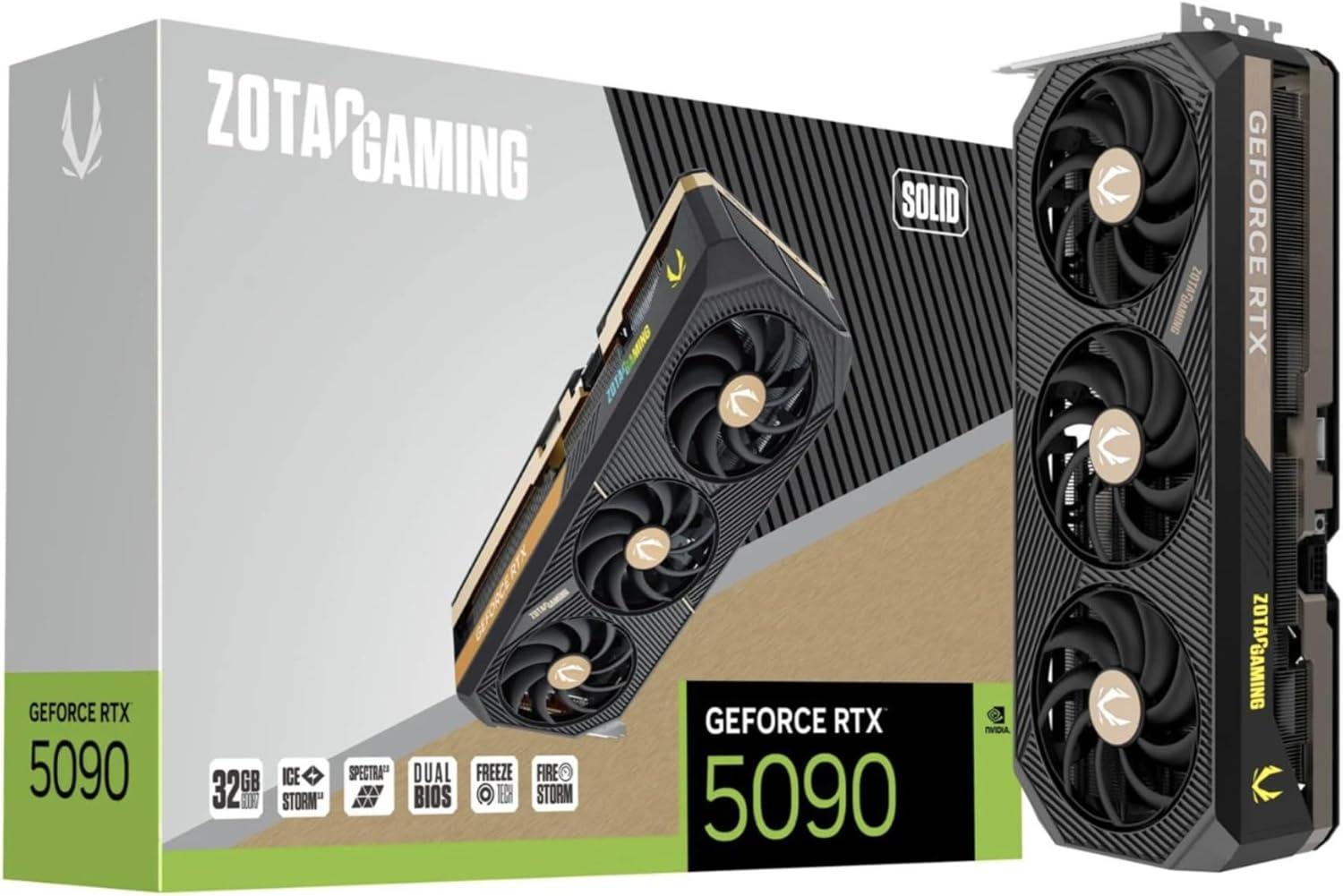
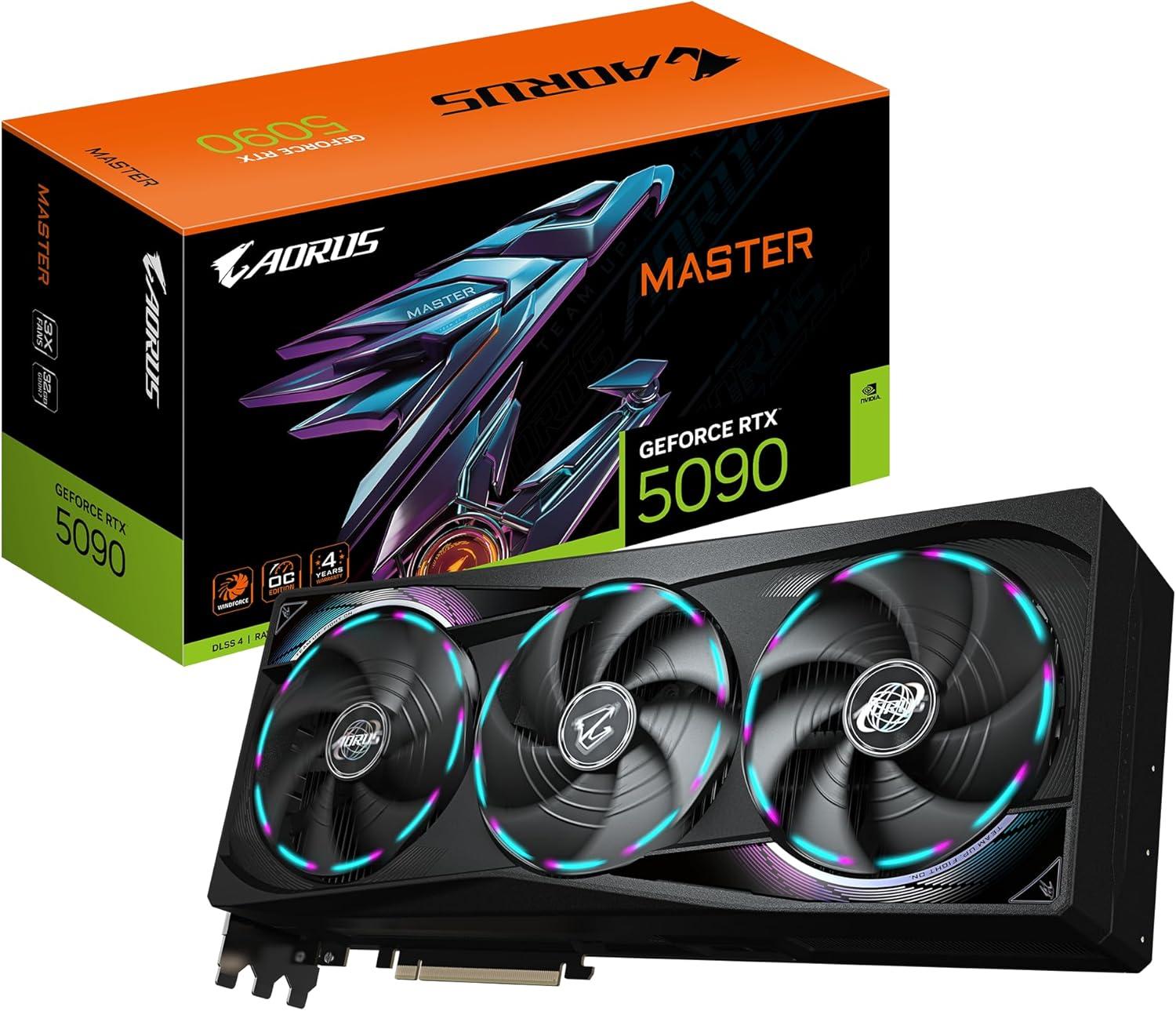
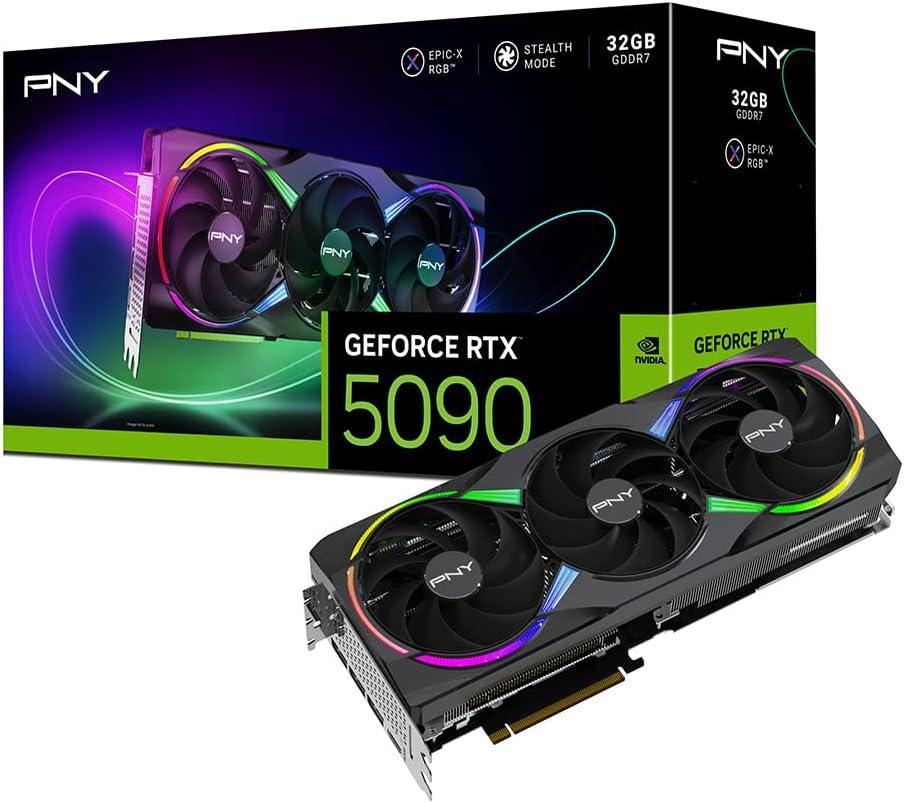
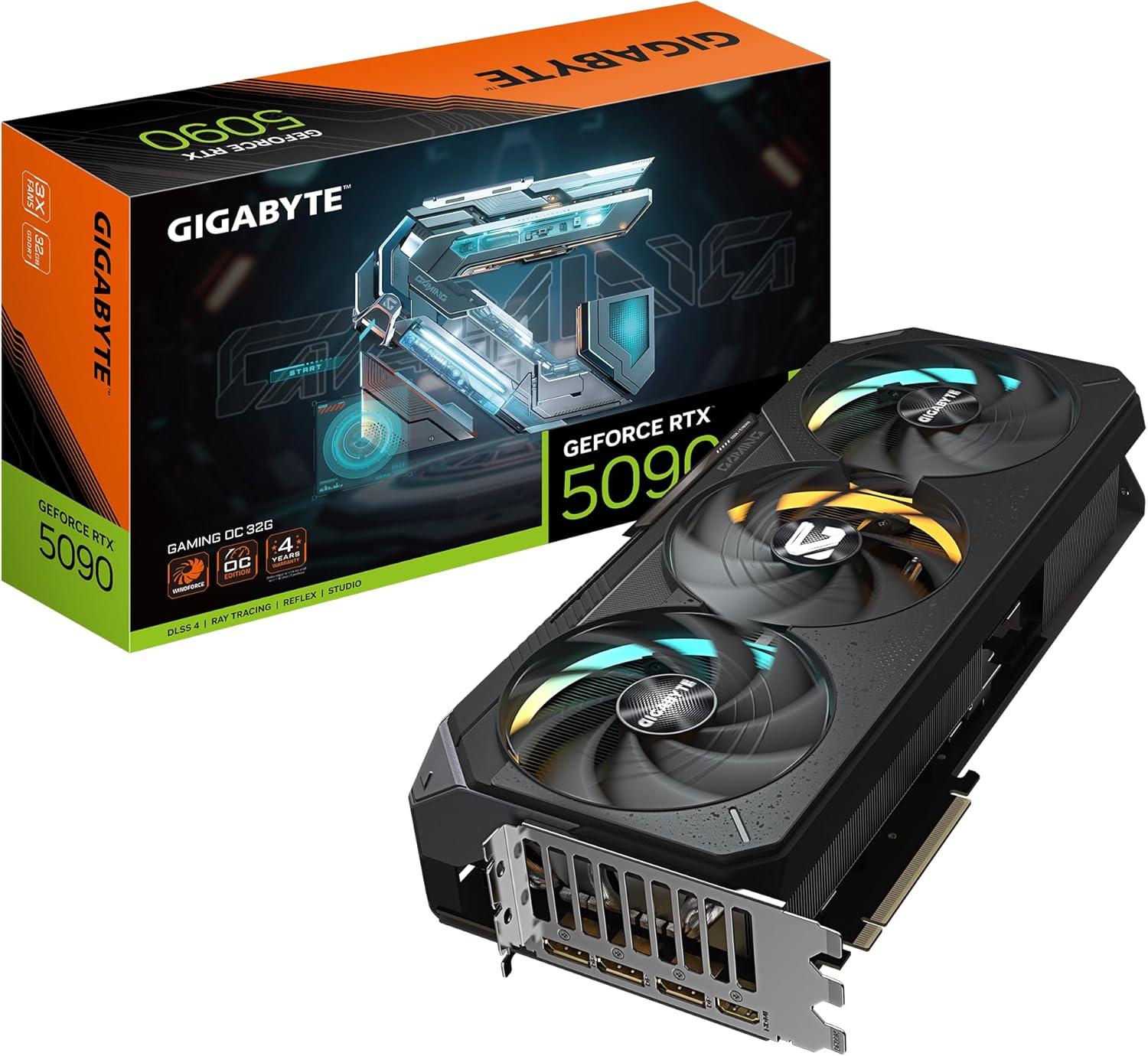
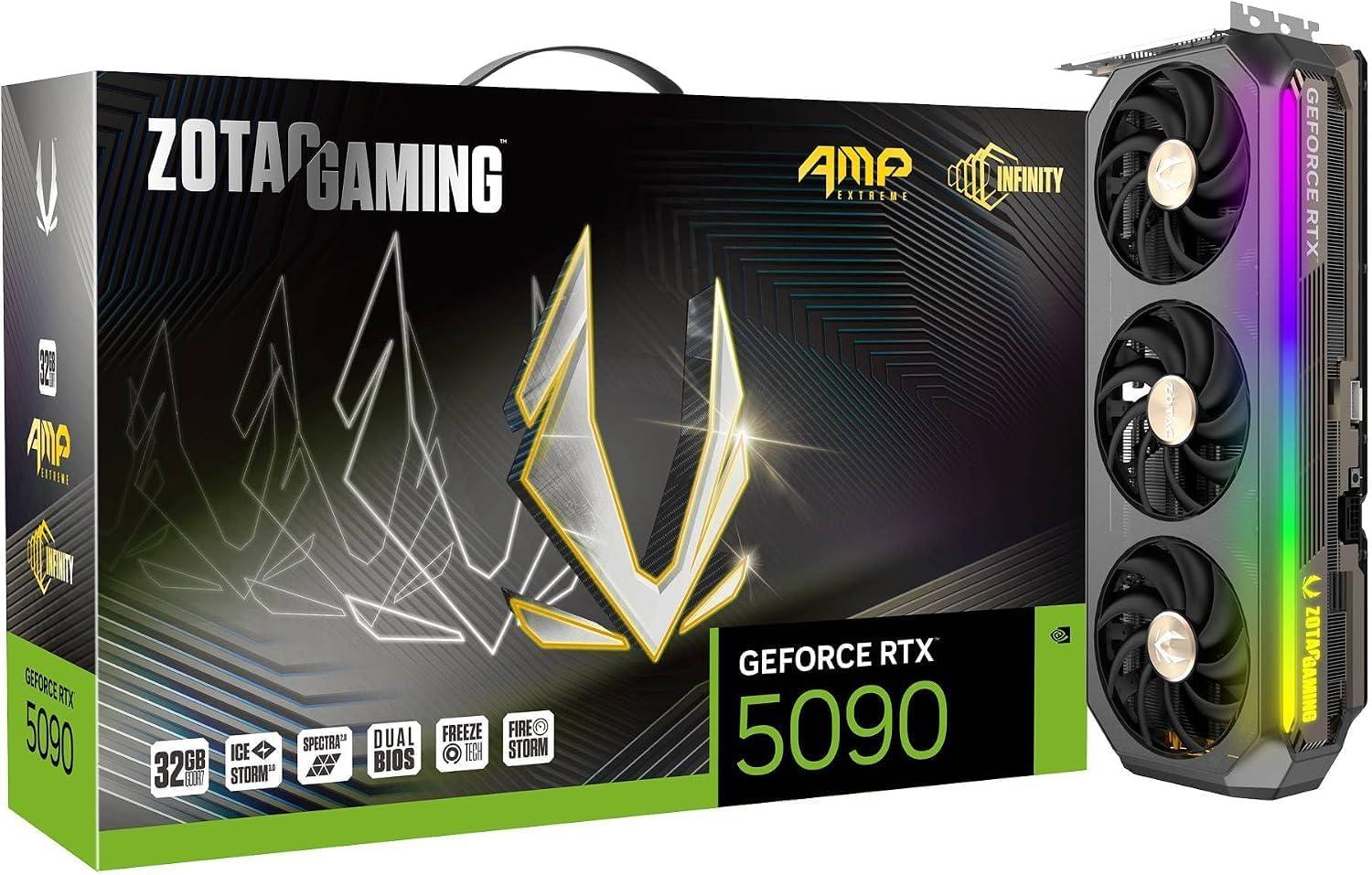
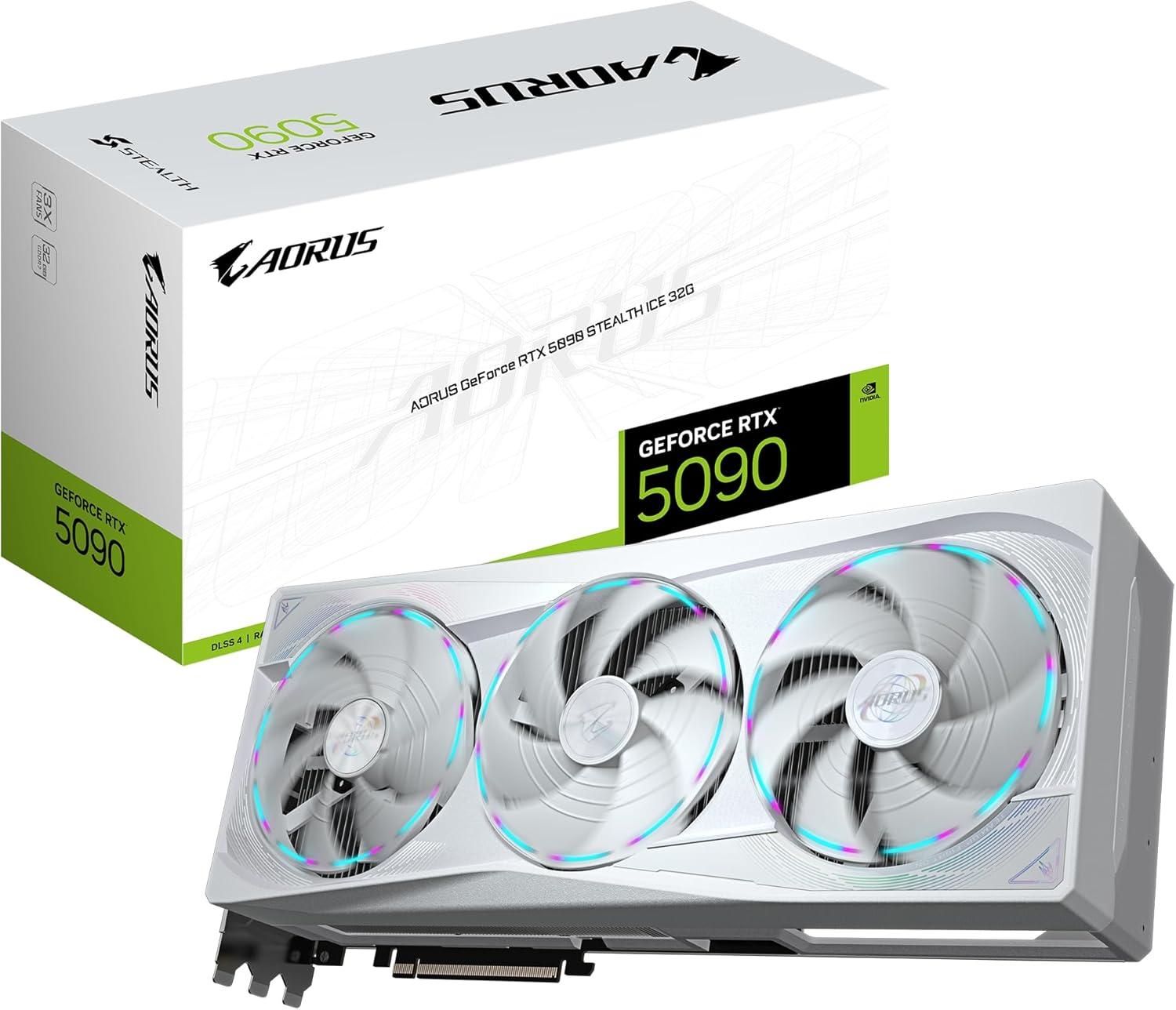
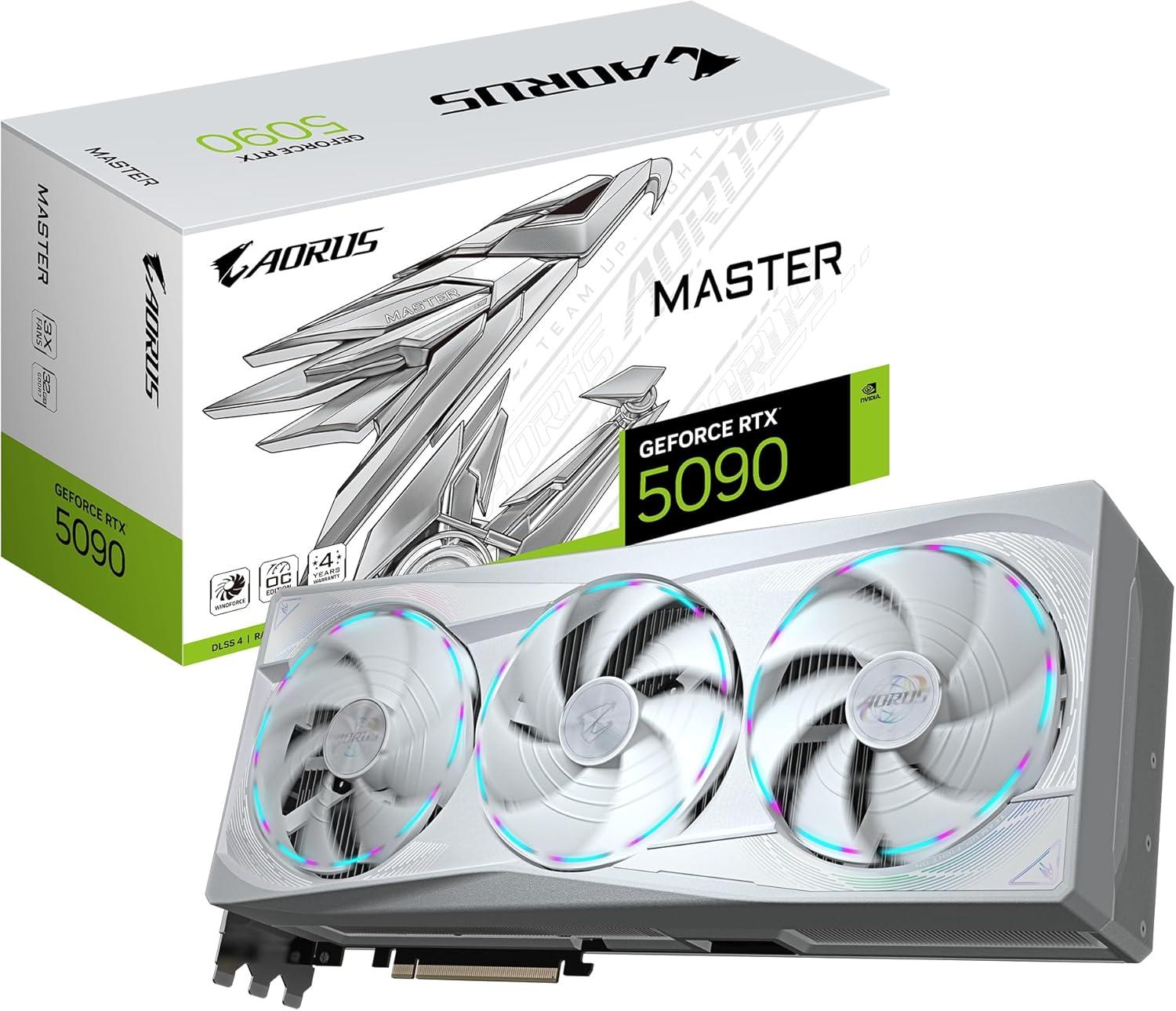
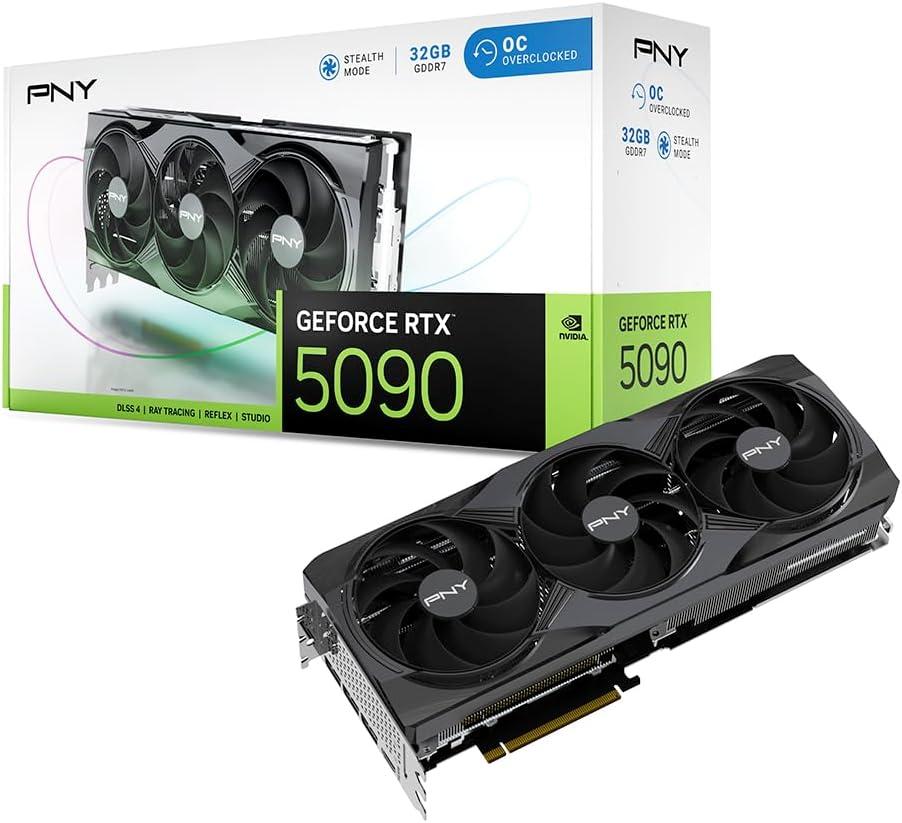
The catalog lists 20 retail cards of this GPU , 2 currently available on Amazon. Partner cards change cooling, length, factory clocks, and price — not the core raster scores. They are listed below similar GPUs.
%20Gallery/485e67588_jO9IyCi.jpg)
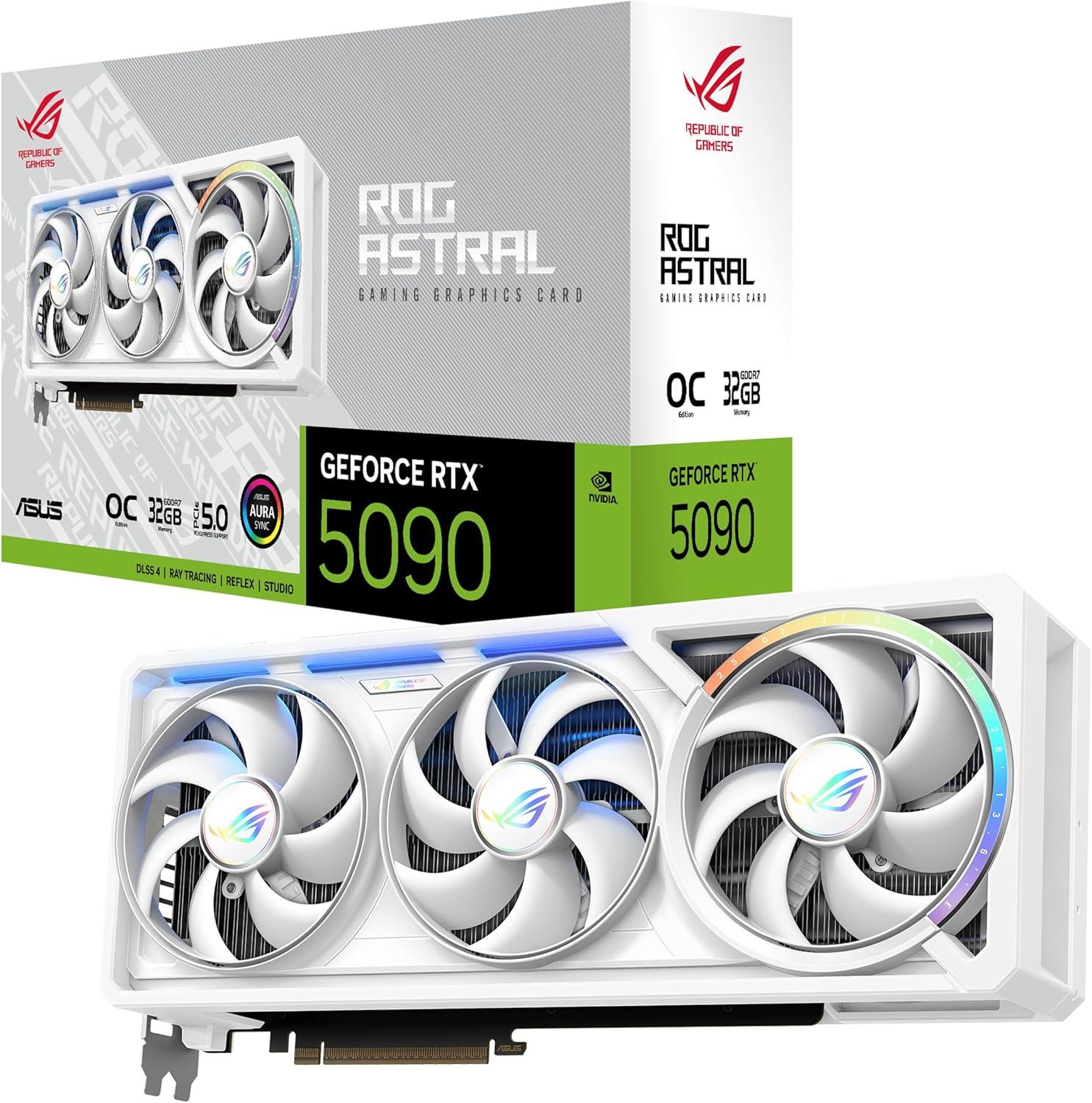
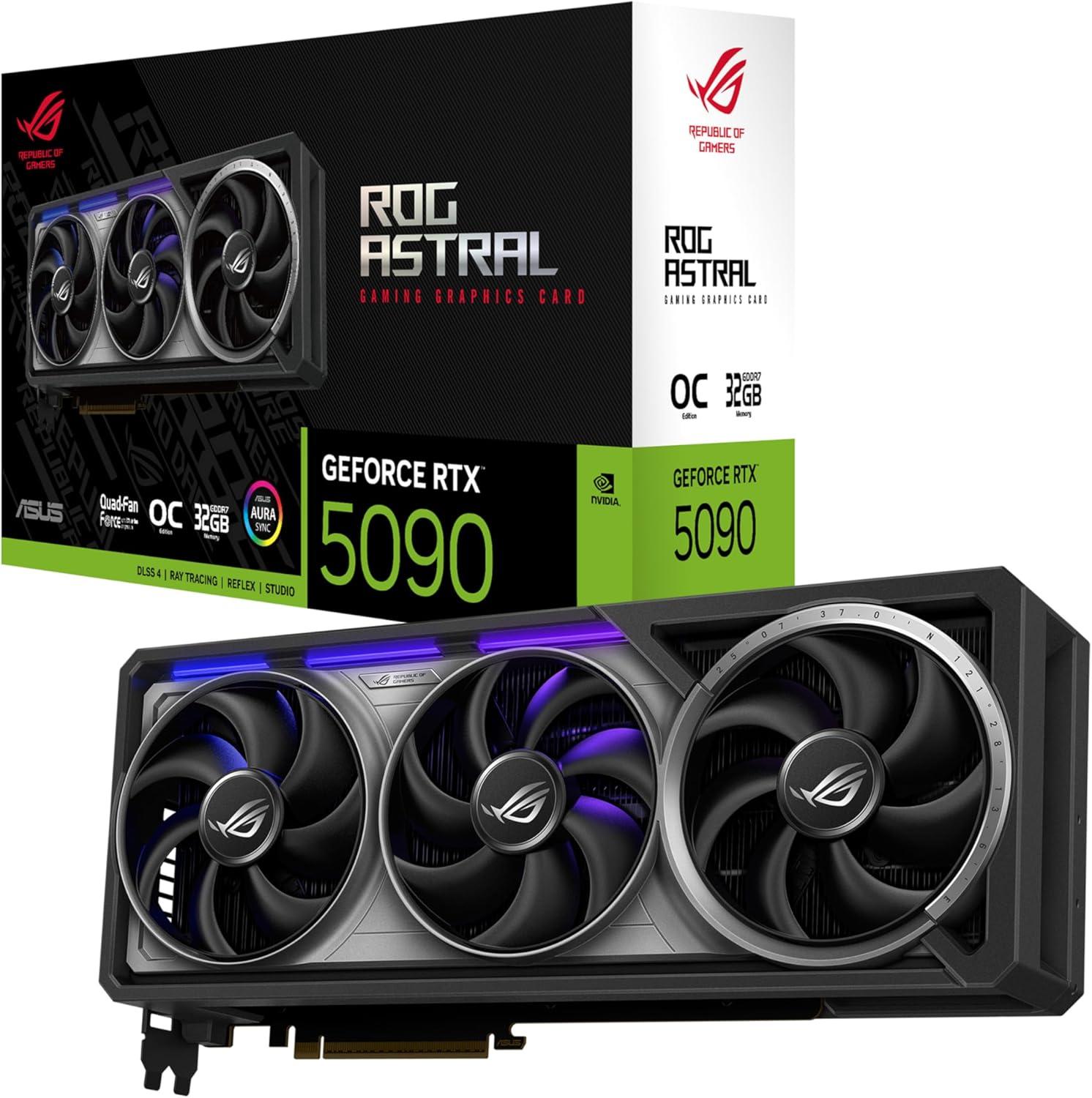
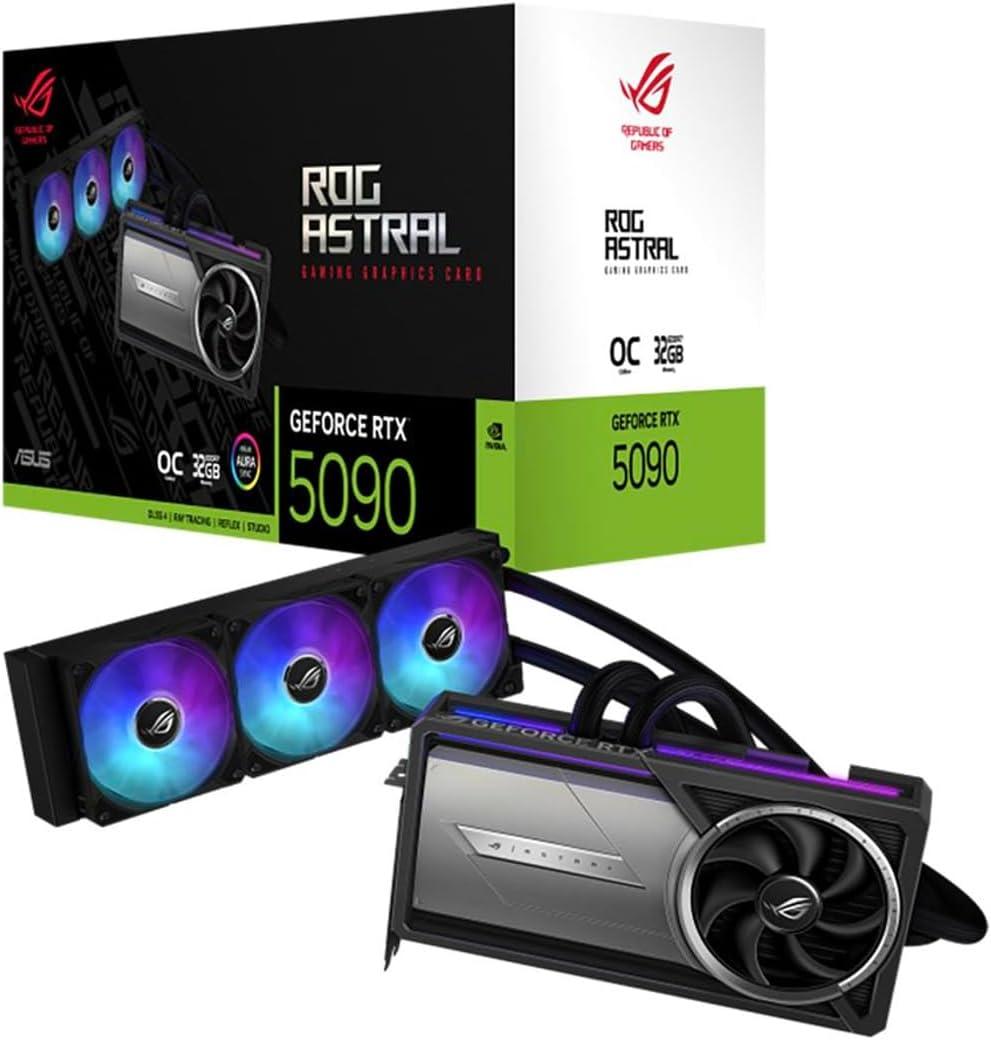
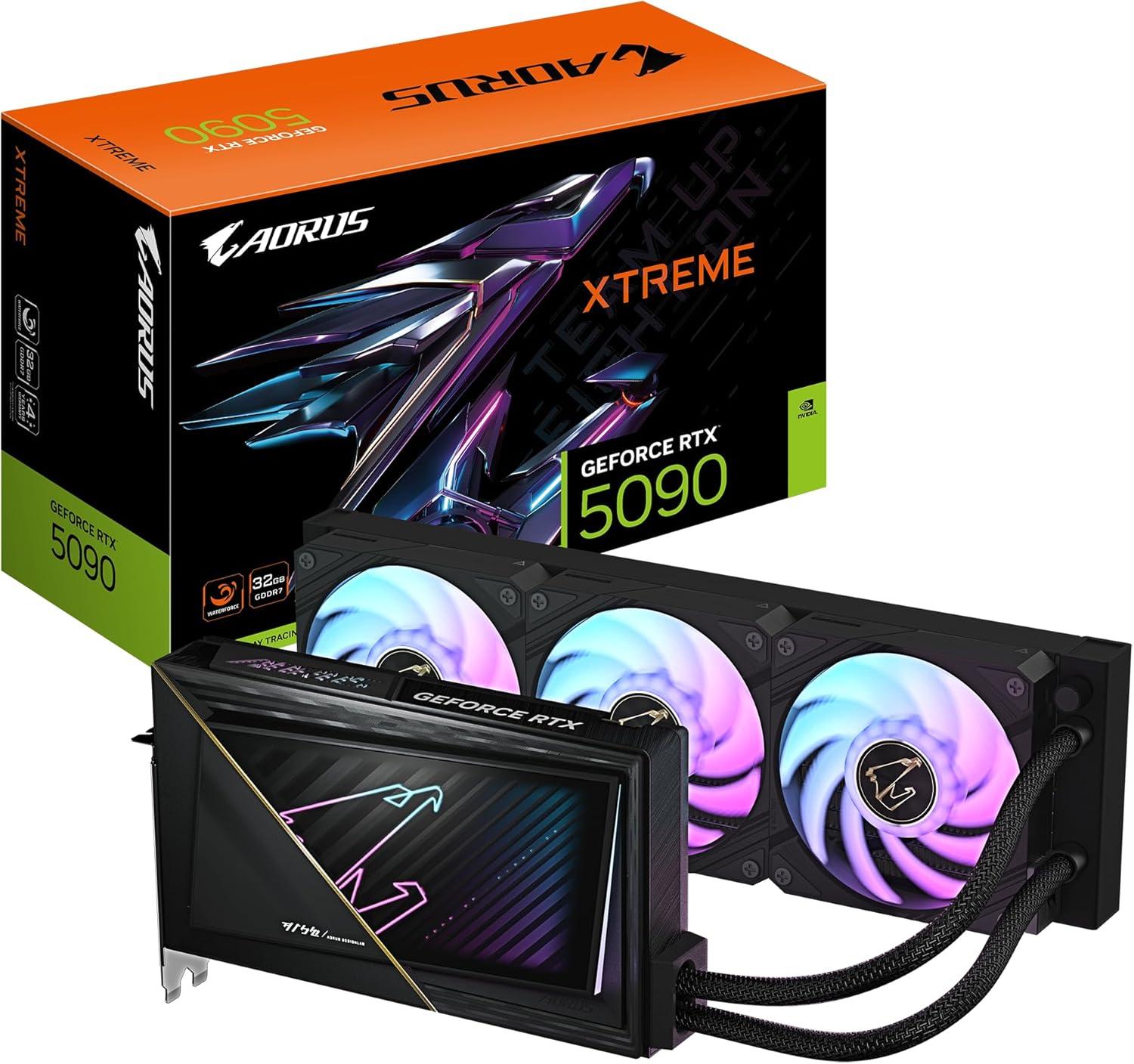
Discussion
Comments on RTX 5090
The RTX 5090 leads the GPU market with unmatched raw power, cutting-edge ray tracing capabilities, and AI-enhanced performance via DLSS. It’s the most powerful consumer graphics card available, ideal for both ultra-high-end gaming and professional graphics workloads. We set 100% GPU performance at the level of the RTX 5090 so you can easily understand how other GPUs compare.
There is a GPU that beats the RTX 5090—it’s a workstation-grade card (e.g., the RTX PRO 6000 Blackwell) costing about $9 000–11 000. It offers ~10% better performance at 4K, but it's not intended or marketed for gaming. If budget is no object and you want the absolute fastest card, it’s your pick—but for almost everyone else, the RTX 5090 remains the fastest consumer gaming GPU.